
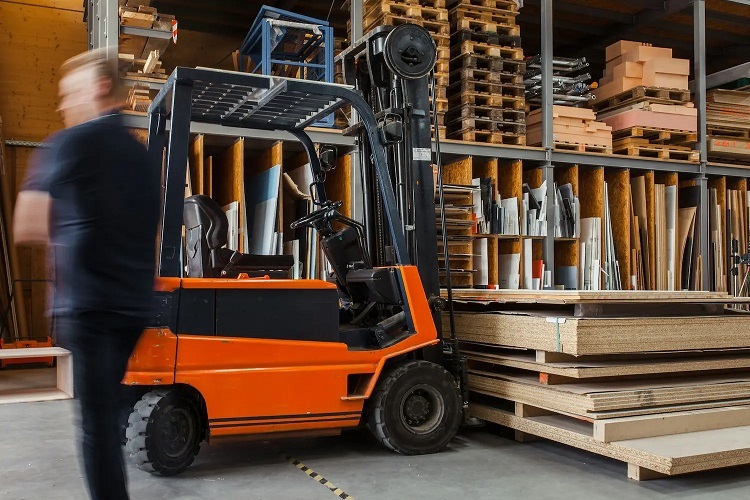
Racking system for warehouse operations has become the unsung hero of Singapore’s logistics revolution, transforming dusty storage facilities into precision-engineered towers that reach toward the sky with military-like efficiency. Walk into any modern distribution centre in this island nation and you’ll witness something remarkable: a symphony of steel and space where every cubic metre counts, every shelf tells a story, and every pallet placement could mean the difference between profit and loss.
The Numbers Don’t Lie: Singapore’s Storage Surge
The statistics paint a clear picture of transformation. As of the third quarter of 2023, there was a planned supply of 885 thousand square metres of warehouse space in the pipeline, marking a dramatic recovery from pandemic-era uncertainty. But here’s what the numbers don’t tell you: behind every square metre of that space lies a calculated decision about how to maximise vertical potential.
Singapore logistics market size reached US$23.4 billion in 2023 and grow at a CAGR of 4.60% to reach US$35.0 billion by 2032, driven by the relentless pressure to move goods faster, store them smarter, and squeeze every dollar of efficiency from increasingly expensive real estate. It’s a high-stakes game where warehouse storage solutions have evolved from simple shelving into sophisticated three-dimensional puzzles.
When Every Metre Matters: The Singapore Constraint
Trade amounts to 173 per cent of GDP, one of the highest ratios in the world, making Singapore’s storage infrastructure the circulatory system of global commerce. But there’s a catch that every warehouse manager knows intimately: land here costs more per square foot than nearly anywhere else on earth.
That constraint has birthed innovation. Land scarcity in Singapore is pushing the logistics industry to find innovative means of building and managing industrial properties and warehouses. One solution is multi-story warehouses. These aren’t your grandfather’s storage facilities—they’re vertical cities of commerce where industrial racking systems climb 15, 20, even 30 metres into the air.
The Architecture of Efficiency
Modern warehouse organisation systems have become exercises in engineering precision. Walk the aisles of a state-of-the-art facility and you’ll encounter:
- Selective pallet racking: The workhorse system that gives direct access to every stored item whilst maintaining structural integrity
- Drive-in configurations: Dense storage solutions where forklifts navigate narrow channels between towering steel frameworks
- Push-back systems: Gravity-fed lanes that maximise storage density whilst maintaining accessibility
- Cantilever structures: Specialised frameworks designed for awkward, oversized cargo that defies standard pallet dimensions
- Automated storage and retrieval systems: Computer-controlled networks where robots dance between steel towers with millimetre precision
Each system serves a specific purpose, but together they form what logistics professionals call “the spine”—the structural foundation upon which entire supply chains depend.
The Human Stories Behind the Steel
Behind every pallet racking solution lies human decision-making under pressure:
- Warehouse managers calculating load capacities at 3 AM with military-like precision
- Complex movement orchestration where single miscalculations cascade into chaos
- Strategic betting on future business growth and technological changes
- Predictions about customer demands and operational evolution
“Every rack configuration is a bet on the future,” explains one veteran logistics director.
Innovation Under Pressure
The statistics reveal the intensity of this transformation. There is a deluge of supply (0.85 mil sqm) coming on stream in 2025, the highest since 2017 (0.96 mil sqm), creating both opportunity and competitive pressure that’s forcing warehouse operators to rethink everything they thought they knew about storage.
Third-party logistics (3PL) providers hold the largest share (70%), followed by warehousing and storage (20%), indicating how specialised this field has become. These aren’t general contractors throwing up simple shelves—they’re specialists who understand the intricate dance between structural engineering, operational efficiency, and technological integration.
The Technology Revolution in Steel
Modern vertical storage systems incorporate sensors that monitor load distribution, track inventory movement, and predict maintenance needs. Advanced warehouse racking solutions now communicate with inventory management systems, robotics networks, and weather forecasting services to optimise performance. It’s storage infrastructure that thinks.
The Economics of Going Up
Each sector brings unique storage requirements that drive innovation:
- Electronics & semiconductors (30% demand): Anti-static environments and precision handling
- Chemicals & pharmaceuticals (25%): Temperature control and regulatory compliance
- E-commerce (20%): Rapid picking capabilities and high-turnover storage
Well-designed storage frameworks can increase usable warehouse space by 200-300% without expanding building footprint—a critical advantage in Singapore’s expensive real estate market.
Safety in the Vertical World
Modern industrial shelving systems incorporate critical safety features:
- Earthquake resistance and structural integrity engineering
- Fire suppression system integration
- Collapse-prevention mechanisms for dynamic forklift loads
- Calculated stress tolerances for every bracket and beam connection
The higher you build, the more sophisticated these safety requirements become.
Looking Forward: The Next Generation
The future belongs to adaptive systems that can reconfigure themselves as needs change. Emerging technologies promise modular components that can be repositioned without dismantling entire facilities. Artificial intelligence is beginning to optimise rack layouts in real-time, adjusting to inventory patterns with sophistication human planners couldn’t match.
The Foundation of Commerce
What becomes clear when examining Singapore’s storage revolution is that these steel frameworks represent more than mere infrastructure—they’re the foundation upon which modern commerce rests. Every product that moves through this global trade hub depends on the careful calculation of load capacities, aisle widths, and vertical clearances.
The precision required is extraordinary. A difference of centimetres in rack spacing can determine whether a facility can handle standard European pallets or needs custom solutions. The choice between drive-in and selective racking can affect operational efficiency for decades.
In Singapore’s relentlessly competitive logistics landscape, success increasingly depends on the sophisticated orchestration of vertical space, making the selection of the right racking system for warehouse operations not just an operational decision, but a strategic foundation for long-term competitiveness.
 “Online Business sees all, knows all.”